

The intriguing evolution of gambling through the ages
The Origins of Gambling
The history of gambling dates back thousands of years, with evidence suggesting that ancient civilizations engaged in various forms of games of chance. The earliest records come from China, where tiles dating back to 2300 BC were found, possibly used for a rudimentary game of chance. Similarly, ancient Egyptians played dice games, indicating that the allure of risk and reward has fascinated humanity across cultures and epochs. To discover more about this evolution, you can read here and gain deeper insights.
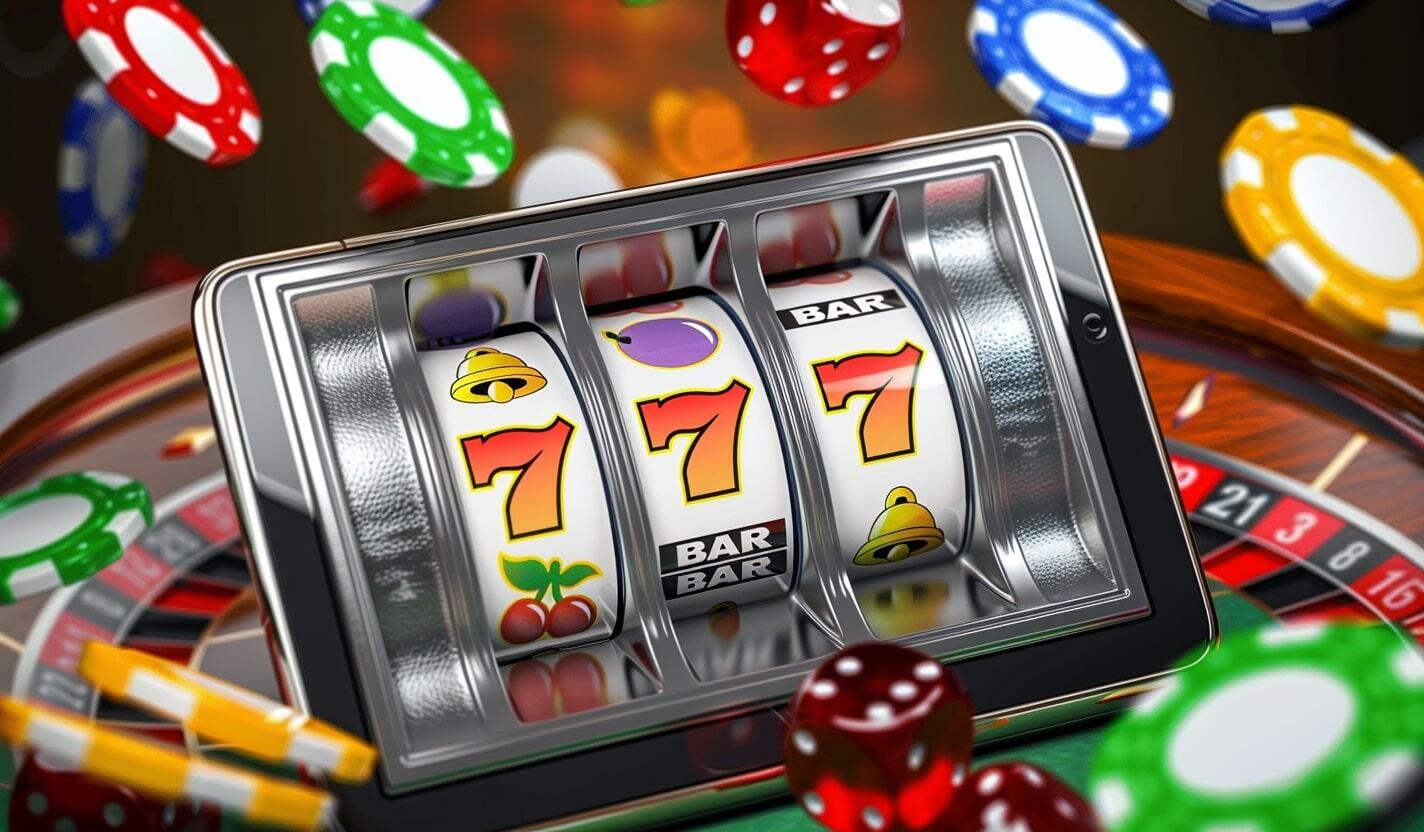
As societies progressed, so did the methods and motivations behind gambling. The Romans and Greeks integrated betting into their sports and social activities, creating a culture where gambling was not only common but celebrated. These early forms of gambling laid the groundwork for modern games, introducing concepts such as odds and wagering that continue to influence today’s gambling landscape.
The Rise of Formal Gambling Institutions
The establishment of formal gambling establishments began in the 17th century with the creation of the first state-sanctioned lottery in Europe. This marked a significant transition from informal, often illicit games to regulated and organized gambling. The lottery served both as a source of revenue for governments and an entertainment outlet for citizens.
Following lotteries, the first casinos emerged in Italy in the 1630s, giving rise to a new era of gambling where patrons could enjoy games like baccarat and faro in luxurious settings. These institutions not only provided a place for gambling but also facilitated the social aspects of gaming, attracting a diverse clientele and setting the stage for the modern casino experience.
The Impact of Technology on Gambling
The 20th century witnessed significant technological advancements that transformed gambling. The introduction of slot machines in the early 1900s revolutionized how people engaged with games of chance. Unlike table games, these machines required no skill or strategy, appealing to a broader audience and paving the way for widespread gambling in bars and saloons.
The Regulation and Responsible Gambling Movement
As gambling grew in popularity, so did the need for regulation and responsible gambling practices. Governments around the world recognized the potential for addiction and abuse associated with gambling, leading to the establishment of regulatory bodies designed to oversee the industry. These regulations aimed to protect consumers and ensure fair play.
Additionally, the responsible gambling movement gained momentum, with initiatives encouraging safe gaming practices. This includes setting limits, offering self-exclusion options, and promoting awareness about gambling addiction. As a result, the gambling industry is now more focused on player welfare than ever, striving to create a balanced environment where entertainment does not come at the cost of personal well-being.

Your Guide to Modern Online Gambling
In today’s digital age, finding the right online casino can be overwhelming given the plethora of options available. Various platforms offer exclusive bonuses, extensive game selections, and varying payment methods, making it essential to choose wisely. Our website is dedicated to guiding you through this evolving landscape, providing comprehensive reviews and rankings to help you make informed decisions.
“`